- HOME
- INTRODUCTION
- FEASTS OF GOD
- 1. PASSOVER- Leviticus 23:5
- 2. FEAST OF UNLEAVENED BREAD - Leviticus 23:6-8
- 3. FEAST OF FIRSTFRUITS - Leviticus 23:9-11,14,15
- 4. FEAST OF WEEKS OR PENTECOST - Leviticus 23: 15-16
- 5. FEAST OF TRUMPETS - Leviticus 23:23,25
- 6. ATONEMENT DAY - Leviticus 23: 32,31
- 7. FEAST OF TABERNACLES OR BOOTHS - 23:34-36
- THE WORSHIP ACCEPTABLE TO GOD
- Conclusion
- Italiano
- Francais
FEASTS OF GOD
The project solving all human problems
Chapter:
[ seven ]
THE ANNUAL FEASTS
«These are the feasts of the LORD, holy convocations, which you shall proclaim at their appointed times»
(Leviticus 23:4)

The annual feasts of the LORD are:
1. The Passover (Lev. 23:4-5 – Ex. 12:1-8; Num. 28:16; Deut. 16:1-2);
2. The Feast of Unleavened Bread (Lev. 23:6-8 – Ex. 23:14-15; Num. 28:16-25; Deut. 16:1-8, 16-17);
3. The Feast of the First Fruits (Lev. 23:9-14);
4. The Feast of Weeks or Pentecost (Lev. 23:15-22 – Ex. 23:16-19; Num. 28:26-31; Deut. 16:9-12, 16-17);
5. The Feast of Trumpets (Lev. 23:23-25 – Num. 29:1-6);
6. The Atonement Day, (Lev. 23:26-32; Lev. 16; Num. 29:7-11) and
7. The Feast of Tabernacles (Lev. 23:33-44; Ex. 23:16-17; Num. 29:12-39; Deut. 16:13-17).
GOD’s Appointed Times
The Hebrew language uses mainly two terms that refer to a feast: “mo’ed” which that translated means “an appointed time”, an “assembly”, a “solemn assembling”, a “holy anniversary”[1], and “hag” which means to “celebrate” and to “make a pilgrimage” (See Ex. 23:14-19; Deut.16:16-17). The “feasts” in ancient times were all «the appointed seasons of the LORD», (in Hebrew מוֹעֲדֵי יְהוָה – Mo’edi’ Yahweh), established on mount Sinai (Lev. 23:2,4). Among them there is the Day of Atonement, that is a feast and also a fast, the Sabbath of all Sabbaths.
Feasts’ Calendar
The seven annual feasts have their origins with the calendar established by the LORD. In fact on the fourth day of creation, «God said, “Let there be lights in the firmament of the heavens to divide the day from night; and let there be for signs and seasons, and for days and years» (Gen. 1:14). Indeed, if the LORD had not created this calendar in the beginning, humanity wouldn’t have known how to calculate time and the days GOD has planned to meet with believers.
According to the calendar of the LORD, the day begins at sunset and ends at sunset (Gen. 1; 1 Kin. 22:35-36; 2 Cr. 18:24; 2 Sam 3:3), the months start and end when the new moon can be seen, and the year begins at Israel’s spring, at the new moon nearest the true equinox,[3] in the month of Abib, or Nisan (Ex. 12:1,2; 13:4; 34:18), fourteen days before Passover.
This study focuses on the seven annual feasts and Sabbaths, although it will not neglect the other Sabbaths commanded by the LORD: the weekly, the Septennial, the sabbatical year, and the Jubilee, the fiftieth, which are years of special rest and deliverance for both man and earth (Lev. 25).
Feasts’ Observance
Three components distinguish the annual feasts: «1. Rejoicing, which mostly takes the form of ceremonial meals (with the exception of the Day of Atonement), and on the more important biblical festivals, the prohibition of work; 2. The liturgy – or in temple times, the special sacrifice and offering service; and 3. Particular ceremonials of the festival, such as eating the matzo on Passover…».[2]
None of the religious denominations having the origin of their faith found in the Jewish Scripture has observed the annual feasts regularly in the manner it was prescribed by the LORD and practiced and taught by Jesus. Israel abandoned them in the periods of apostasy and revived their observance in times of spiritual reform and faithfulness to GOD.
On the other side, Christianity and Islam have changed their names and dates losing memory of what their message is. Various denominations have even ceased to celebrate them altogether. The reasons they give for this are diverse. Some believe that the annual feasts of Leviticus 23 belong exclusively to the Jews. While others attest that the feasts have been abolished with the sacrifice of Jesus Christ. Others still affirm that feasts and sacrifices have been completely taken away at the destruction of the temple (70 A.D).
GOD’s Feasts are Mandatory Laws
Scripture states that all the feasts established by the LORD are mandatory laws to be kept “generation” after “generation”, in every place where those who profess to love the GOD of Abraham, Isaac and Israel, will live (Ex. 20:8-11; Lev. 23:14,21,31,41; Lev. 25:18). Therefore, for Israel, Christianity and all other believers, the feasts of the LORD remain a way to worship Him as Creator and Savior, a foretaste of GOD’s grace and of joyful communion with fellow men, in which everyone can rejoice and be glad.
Feasts’ Nature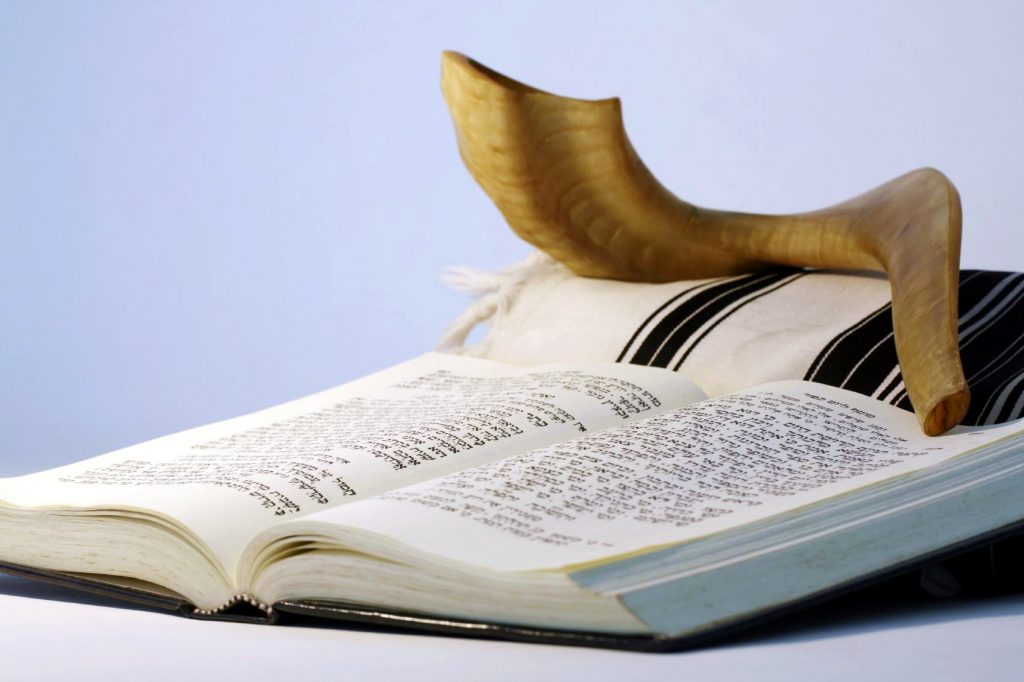
GOD’s annual feasts have a peculiar nature. They are typical, prophetic and commemorative. First, they are typical, real shadows, tangible models, because they «contain in typical language a record of God’s dealings with man in grace from the death of Christ to His millennial kingdom»[4]. Indeed, they are real appointments that He has set to be kept for meeting with Him on specific days. At the same time, the feasts are also types, meaning that their message points to the Messiah’s ministry. And, it presents the project that He is executing for the redemption of repented believers. More specifically, the feasts of the LORD indicate:
- The phase that Jesus Christ has already completed, once forever, at His first coming on earth (first three feasts).
- The activity of intercession He is accomplishing, as High Priest, in Heaven, on behalf of believers (fourth feast). While the Spirit, His Agent on earth, prepares, once forever, believers to receive the citizenship for His new kingdom.
- The ultimate works through which our Savior, in the future, will accomplish, once forever, the complete redemption of His people. And, finally, He will fulfill all other promises He has made (last three feasts).
Second, they are prophetic. meaning a real «foreshadowing of great events of the future part of which have since been fulfilled and part of which are yet to be».[5]
Third, when totally fulfilled in all their details, they are commemorative. They become delightful reminders of specific wonders accomplished by the LORD, once and for all, in the past.
Feasts’ Purpose
It is worthy of notice that the word «seasons», in Hebrew “mo-adim”, has the same meaning of “sacred seasons”, “feasts” and “appointments”. This means that the first reason for which our Creator has established His calendar with the lights of our solar system is for directing His worshippers to identify and respect His spiritual appointments on the days that He Himself had fixed to execute and then commemorate His mighty works in their behalf.
The time these days of celebration were ordained and their purpose are also important. The LORD gave these solemn days of worship and rejoicing to the people during the exodus. After He delivered them from the oppression of slavery, and while they traveling toward the promised land, He ordained His feasts, «…as divinely expressions of the moral obligation of His people, as memorial of God’s saving acts in the past, as sacrament of His sanctifying power in the present, and as types of His anticipated victory over sin in the forthcoming first and second advents of Jesus Christ».[6]
 Seven in the Feasts
The numbers used by the LORD in His annual feasts are also symbols. For example, seven communicated a sense of “fullness” or “completeness” (שבע “seven” is spelled with the same consonants as the word שבע “complete/full”). In fact, seven is the number that characterizes the weekly Sabbath.[7] This is the day of rest GOD Himself sanctified when He completed the creation of heaven and earth.
Seven is ever present also in the annual feasts, indicating the fullness of blessings the LORD confers on these days. Indeed, seven are GOD’s annual appointments, and seven are also their Sabbaths of rest.
Furthermore, in His sacred calendar, the LORD fixed Passover’s day on Nisan 14th. This date, twice seven, was predetermined at the creation of humanity by the Father to be the day in which He would sacrifice His only Son for our forgiveness. Having completed according to the plan, once for all, the primordial, original redemptive act on the wood of the cross, Jesus, in fact, pronounced «It is finished!» transforming the Passover in a commemorative spiritual anniversary of His first wonderful act for the redemption of those who believe in Him (John 19:30).
Seven days the LORD made also last the following feast, Unleavened Bread, representing the purification from sin that started to take place in the life of Jesus’ followers from Nisan 15th after His death up to today.
Seven weeks after Passover, the LORD fixed the Feast of Weeks, or Pentecost, which started bringing the powerful blessings of the Holy Spirit to complete the spiritual ripening of the human harvest of Jesus.
Then, in the seventh month of His sacred year, the LORD dated His last feasts: Trumpets, Expiation and Tabernacles. Through which, He informed concerning the last tasks that His Son would accomplish to bring at completion the project of redemption.
These activities include: universal warning about the judgment and universal invitation to repentance addressed to the last human generation, and then final absolution, definitive purification and transformation for all His loyal followers ever existed. At last, He ordained the seventh feast, Tabernacles. Even this lasting seven days and ending on the Eighth Day, which is the seventh annual Sabbath of absolute rest and rejoicing, the one depicting the great, unique and perennial day of our new existence with our heavenly Father and Jesus on the earth made new.
The Three Pilgrimage Feasts
It is important to notice that in the written revelation, seven in connection with eight takes up a never-ending value. Significantly, seven and eight are present together in the three pilgrimage feasts to Jerusalem, which is a type of the eternal city built by GOD Himself.
First, the feasts’ cycle opens with eight days of celebration. They are:  the day of Passover, followed by the seven days of the Unleavened Bread.
Second, it progresses with seven weeks of spiritual preparation (49 days). Of which the seventh week (day 42 to 49) are followed by the eighth day, that is the glorious Feast of Weeks (day 50).
Third, the feasts’ cycle ends with other eight days of celebration. They are: the seven days of Tabernacles, followed by the Eighth Day, the seventh annual Sabbath. Indeed, his last Sabbath day is a glorious type of the eternal rest believers will experience in the Jerusalem of GOD (see Lev. 23:39).
Not by chance, all the Sabbaths days established by the LORD for celebrating with Him His three mighty works of creation, redemption and re-creation, are eight: the weekly Sabbath plus the seven annual Sabbaths (Lev. 23). And all eight stipulated as perennial laws of His eternal Covenant with His believing, loyal worshippers (Lev. 23:3,14, 21,31,41).
Feasts’ Chronological Order
The feasts of the LORD have a perfect predetermined chronological order that cannot be broken. Notably, their cycle starts with three spring feasts (Passover, Unleavened Bread, First Fruits). Then it closes with three autumn feasts (Trumpets, Expiation, Tabernacles). In the interior of which there is the Feast of Weeks, or Pentecost, separating and, at the same time, binding the first three to the last three, the beginning to the end of the divine project solving all human problems.
The annual feasts are also interdependent. This is evident by the fact that the meaning and purpose of each one is made clear by the feasts that precede or that follow. For instance without the Passover it becomes difficult to fully understand the meaning and purpose of the Feast of Unleavened Bread, the First Fruits and all the following ones.[8] Instead with the Passover its meaning and fulfillment in mind (Ex. 12), it is easily understood why the LORD ordained the keeping of the seven days of Unleavened Bread to be «as a sign to you on your hand and as a memorial between your eyes», and added, «You shall therefore keep this ordinance in its season from year to year» (Ex. 13:6-10).
[1] Adam Clarke, LL.L., FS.A. & C., Clarke’s Commentary, (New York, NY: Phillips & Hunt, 1830), vol. 1, p.583.
[2] Encyclopedia Judaica, (New York, NY: The Macmillan Co., 1971), vol. 6, p. 1238.
[3] The Stewarton Bible School, has published two booklets entitled The festivals of the God of Israel and The Sacred Calendar of the God of Israel.
This School’s publications, which seem to present a Messianic Jewish interpretation of the Scripture’s prophecies include: Understand the Revelation – Who/What is the AntiChrist? What is his Mark? – The Two Witnesses… Who are they? – Time is Short… Are we nearing the Return of Jesus Christ?
Their free booklets can be requested at www.sbs777.org.uk .
[4] John Ritchie, The Feasts of Jehova Bright Foreshadowings of Grace and Glory, 3rd ed., (Kilmarnock, Sturrock Street: John Ritchie LTD., n.d.), p. B Introduction.
[5] Ibid.
[6] The International Standard Bible Encyclopedia, (Grand Rapids: William B. Eerdmans Pub. Co., 1982), vol.2, p. 293.
[7] Sabbath in Hebrew means rest, abstinence from all work. GOD, after creation, rested and sanctified the weekly Sabbath (see Gen. 1,2). Later, He also established the seven annual Sabbath days, to rest and worship Him as the Author of salvation, in His Messiah, Jesus Christ.
[8] S. Bacchiocchi, God’s Festivals in Scripture and History, Part II: The Fall Festivals, p. 35-40.
Chapter:
[ seven ]
The Fulfillment of Passover

The redemptive sacrifice of Jesus Christ is the fulfillment of Passover. In fact, at His last Passover meal, He took the cups of wine and used them to symbolize the Covenant in his blood. Then, He said to His disciples, «Drink from it, all of you. This is my blood of the covenant, which is poured out for many for the forgiveness of sins. I tell you, I will not drink from this fruit of the vine from now on until that day when I drink it new with you in my Father’s kingdom» (Mat. 26:27-29).
The following chart gives evidence that Jesus Christ truly is «the Lamb of God» (John 1:29). Indeed, the Passover sacrifice in Egypt freed Israel from slavery, while Jesus’ sacrifice freed God’s universal people from sin.
THE FULFILLMENT OF PASSOVER
| THE LAMB |
THE SON OF GOD |
| Exodus 12:3-5 Each family set apart a lamb, an unblemished male firstborn, four days before they sacrificed it. | John 11:47-53 The Sanhedrim condemned Christ a few days before they killed Him. |
| Exodus 12:6 Then, they kept the chosen lamb separated from the sheep. | John 11:53-54 The leaders of Jerusalem kept Jesus under arrest. Therefore, He could no longer go openly among the people. |
| Exodus 12:6 They killed the lamb at the twilight of Nisan (Abib) 14th. It occurred in the first month of the sacred calendar established by GOD. | John 18:28; 19:14; 19:31; Luke 23: 54-56 Unbelievers killed Christ at the time of the day people sacrificed the Passover lamb.
Isaiah 53:5 «He was wounded for our transgressions, He was bruised for our iniquities; the chastisement for our peace was upon Him, and by His stripes we are healed». |
| Leviticus 23:5; Ex 12:6 Then, they started preparing its flesh for an evening meal. | Mark 15:34-37; John 19:30 The Son of GOD died around 3 p.m., a few hours before the sunset, and the Passover meal. |
| Exodus 12:46 They did not break any lamb’s bone. | John 19:33-36 Jesus did not have any bone fractured at His death. |
| Exodus 12:8 They put the lamb’s blood on the doorposts to prevent the death of their firstborn and their entire household. | 1 Pet. 1:18-20 «You were not redeemed with corruptible things, like silver and gold, … but with the precious blood of Christ, as of a lamb without blemish and without spot. He indeed was foreordained before the foundation of the world». |
| Exodus 12:7 They roasted the flesh of the Lamb with fire. | John 6:51 A repentant person receive forgiveness only when he believes that Christ died to expiate the transgressions of sinners. |
| Exodus 12:8 They ate the lamb’s meat with unleavened bread and bitter herbs. | 1 Cor. 5:7-8 Each individual needs to manifest sincere repentance, plead to receive forgiveness, and make efforts to sin no more to obtain GOD’s grace. |
| Exodus 12:10,46 No leftover of the lamb was to remain until morning. | Mal. 4:1-3; Ezek. 28:12-19 Christ gave His life once for all to redeem His people. Therefore, at the end of this age, only ashes will remain of sin and of incredulous, unrepentant sinners. |
| Exodus 12:19 After Passover the families had no trace of leaven for seven days. | 1 Pet. 3:10; 1 Thes. 5:23 Every believer forgiven and purified, avoids sinning in thoughts, words, and actions. |
| Exodus 12:22,23 They received freedom and protection from the destroyer because of the blood of the lamb on the doorposts of their homes. | 1 John 1:7 «The blood of Jesus Christ His Son cleanses us from all sin».
Acts 4:12 In Jesus Christ alone repentant believers receive forgiveness of sins and liberty from death. «Nor is there salvation in any other, for there is no other name under heaven given among men by which we must be saved». |
| Exodus 12:43-48 No foreigner or uncircumcised person could partake of the lamb, and be freed from slavery and death. | Rev. 21:27; Eph. 2:13; Gal. 3:29; Col. 2:11 In conclusion, no man who has rejected Jesus Christ and GOD’s Covenant Laws can partake of the reward of believers. Surely, only «those who keep the commandments of God and the faith of Jesus» will inherit eternal life (Rev. 14:12). |
In conclusion, Jesus Christ and His sacrificial death is the fulfillment of Passover. Indeed, GOD «made Him who knew no sin to be sin for us, that we might become the righteousness of God in Him» (2 Cor. 5:21). For all humanity there is no other Savior.
Chapter:
[ seven ]
GOD’S BLESSINGS BECOME ETERNAL
The Feast of Weeks proclaims that all GOD’s blessings and promises will, one day, become an eternal reality. Jesus will soon return to gather His wheat-people and accomplish the reunion of those who have believed in Him. In that glorious day, He will also grant them the gift of eternal life, and bless them beyond their hopes.

Scripture reports that on the Feast of Weeks that followed Christ’s resurrection, the LORD sent the Holy Spirit. And with Him, a shower of spiritual blessings that led many people to Christ (Acts 2). GOD has promised that will grant even greater blessings before the ultimate harvest of believing souls.
It’s important to know that Feast of Weeks concludes the” last rain” period in Israel, which is from March to May. When GOD supplies the fields with abundance of rain the wheat harvest is also abundant. It is exactly at this same time of the year that the Holy Spirit bestowed an abundant shower of gifts upon believers in Christ. So, they preached with enthusiasm about the Savior. And, miraculously, on that blessed Feast of Weeks, «there were added unto them about three thousand souls» (Acts 2:41).
The last rain of spiritual gifts
 On a future Feast of Weeks, the powerful gifts of the Spirit of GOD will be multiplied seven times seven. And, in the heart of the believers the love for Christ will increase seventy times seven. As a result, their love for perishing souls will become as great as the one that they have for themselves. So, they will preach and teach the Word of GOD with conviction and persuasion. And a great number of Jews and Gentiles will repent, turn to GOD and Christ, and receive salvation.
Therefore, «Let us now fear the LORD our God, who gives rain, both the former and the latter, in its season. He reserves for us the appointed weeks of the harvest» (Jer. 5:24). And He still gives time to return to Him in faith so that He may richly bless.
Thanks to the gifts of the Spirit, believers will truly be «those who keep the commandments of God and the faith in Jesus» (Rev. 14:12; James 5:7-8; Rev. 14:15-16), «Those who fear God and give glory to Him» (Rev. 14:7). They will manifest an active, dynamic faith. And, out of love for G and their perishing fellowmen, will proclaim the Good News. In so doing, they will prepare their own soul and a multitude of other people to welcome the Savior .
Abundant showers of blessings
GOD predicted even how He will bless both Jews and Gentile believers in the weeks preceding Christ’s return. For His first chosen people, Israel, He promised, «For I will take you from among the nations, gather you out of all countries, and bring you into your own land»(Ezek. 36:24; Jer. 30:3). This miracle of GOD’s grace and compassion is already taking place for the Israelites. Yet, there is a greater blessing awaiting Jews and Gentiles converted to Jesus. That’s a new life to live with Christ in the eternal Promised Land of GOD.
 Referring to the powerful spiritual gifts GOD’s people will receive for the preparation of the last harvest of humanity, the LORD declares, «I will save my flock,… I will make them and the place all around My hill a blessing; and I will cause showers to come down in their season; there shall be showers of blessing» (Ezek. 34: 22, 26). Yes, GOD has blessed, and will greatly and eternally bless those whose hope is in Him. His Jews and Gentile people are getting ready, reaching their full number and full spiritual maturity. Christ will soon return to gather them on the heavenly holy mountain of GOD.
Until the reunion of the redeemed will take place, let us celebrate the Feast of Weeks to worship the Creator of heaven and earth (Rev. 14:7), His Son that has died and resurrected and is now actively working to cleanse us from sin, and to sustain us with the gifts of the Spirit (Phil. 1:19). Again, let us make all efforts to give a truthful and convincing testimony of GOD’s Law and the Good News of salvation to those that still are confused about it. Then, let us also ask fervently for GOD’s last powerful blessings so that His final harvest of souls may take place in our lifetime.
Chapter:
[ seven ]
5. FEAST OF TRUMPETS
«In the seventh month, on the first day of the month,
you shall have a sabbath-rest,
a memorial of blowing of trumpets,
a holy convocation.
You shall do no customary work on it»
(Leviticus 23:23-25)

The spiritual life of GOD’s people awakened with the Feast of Trumpets, four months after the Feast of Weeks. In Scripture, it is the “day of blasting/shouting” (in biblical Hebrew, ים תרועה – Yom Teru’ah). The word teru’ah (תרועה) means “a loud joyful sound”. It also refers to “Zikhron Teruah”, the “Memorial of Blowing” of Trumpets (Lev. 23:24). The trumpets blown are in reality ram’s horns turned into a trumpet-like musical instruments, called in Hebrew, “shofars“.
The Seventh Month
The Feast of Trumpets is celebrated the 1st of Tishri, or Ethanim, the first day of the seventh month, the one which completes the cycle of the “LORD’s feasts” (Lev. 23:23-25). In our calendar it falls in autumn, at the new moon that occurs between September and October. Since the second century of our modern era, this annual sabbath day coincides with the first day of the Israelite civil year, “Rosh Hashanah”, which means “Head of the Year”. In addition, in Judaism it commemorates the creation of the world.[i]
The first day of the seven month
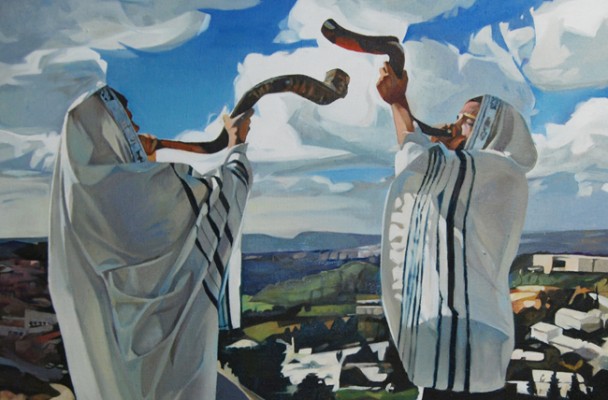 Of the seven annual Sabbaths, the Feast of Trumpets alone occurs on the first day of the month. This is the day that starts when the light of the new moon begins to shine. In ancient Israel, during the sacred year, the priests sounded the trumpets at the beginning of each month. The first day of each month started with the appearing of the new moon. When two concurring witnesses saw the first silver of the new moon, they attested to it before the Sanhedrin. Then, the sound of trumpets announced the new month.
Indeed, for repented and faithful believers the Feast of Trumpets is also a joyful day. In fact, GOD ordained, «Also in the day of your gladness, in your appointed feasts, and at the beginning of your months, you shall blow the trumpets over your burnt offerings, and over the sacrifices of your peace offerings; and they shall be a memorial for the LORD your God» (Num. 10:10; see Ps. 81:3).
The fourth annual Sabbath-rest
The Feast of Trumpets is the fourth annual Sabbath-rest commanded by the LORD. Its order number makes evident that it concerns all humanity up to the four cardinal points of the earth. GOD prescribed to His people: «In the seventh month, on the first day of the month, you shall have a holy convocation. You shall do no customary work. For you it is a day of blowing the trumpets» (Num. 29:1-7).
On this High Sabbath day, the LORD called the Israelites to this solemn meeting with Him by the “blowing of trumpets”. In response, at the temple, the priests presented an offering made by fire, the usual daily sacrifices and the monthly thanksgiving gifts (Lev. 23:25). GOD still exhorts, «Blow the trumpet in Zion, and sound an alarm in My holy mountain! Let all the inhabitants of the land tremble, for the day of the LORD is coming, for it is at hand» (Joel 2:1).
Trumpets of Warning

In ancient times, the trumpets sounded in Israel for various purposes. They called the people to a general assembly, informed about specific dangers, and proclaimed joyful events, such as the King’s coronation. Therefore, this feast, in which the blowing of the trumpets is the prominent feature, sounds special messages.
Scripture provides many clues to understand the purpose for blowing the trumpets on this holy Sabbath day. It states, «When you go to war in your land against the enemy who oppresses you, then you shall sound an alarm with the trumpets, and you will be remembered before the LORD your God, and you will be saved from your enemies» (Num. 10:9,10). According to this statement, the blowing of the trumpets has a double function. Firstly, it is for GOD’s worshippers an alarm, a call to prepare themselves because a danger is approaching. Secondly, it is a reminder for the LORD to save His people from a most perilous situation.
The Day of Yahweh
The Feast of Trumpets foretells the coming of “the Day of Yahweh. ” The prophet Amos described this day of judgment, saying: «Alas, you who are longing for the day of the LORD, For what purpose will the day of the LORD be to you? It will be darkness and not light; As when a man flees from a lion and a bear meets him, or goes home, leans his hand against the wall and a snake bites him. Will not the day of the LORD be darkness instead of light, Even gloom with no brightness in it?» (Amos 5:18-20 NASB).
The prophet Zephaniah also proclaimed: «Near is the great day of the LORD, Near and coming very quickly; Listen, the day of the LORD! In it the warrior cries out bitterly. A day of wrath is that day, A day of trouble and distress, A day of destruction and desolation, A day of darkness and gloom, A day of clouds and thick darkness, A day of trumpet and battle cry against the fortified cities And the high corner towers» (Zephaniah 1:14-16 NASB).
Ten days of repentance and prayer
The Feast of Trumpets is a day of rest, repentance, and reflection. It marks the beginning of a ten-day period of consecration to GOD through prayer, thanksgiving and praise. The need for watchfulness and preparedness in connection with this feast is also echoed throughout the New Testament. Indeed, Jesus Himself exhorts His followers to repent and be ready at any time for His return. He urges, «Repent, for the kingdom of heaven is at hand» (Matt. 4:7). «Therefore be on the alert, for you do not know which day your Lord is coming» (Mat. 24:42 NASB). Again, «Remember therefore from where you have fallen; repent» (Rev. 2:5).
Trumpets of Salvation
 The trumpets in old times, besides warning of an incumbent danger, were also connected to the coming of the Messiah, and to the protection of His people. «The LORD will blow the trumpet, and go with whirlwinds from the south. The LORD of hosts will defend them» (Zec. 9:14,15). «So it shall be in that day: the great trumpet will be blown; they will come, who are about to perish… and they who are outcasts…, and shall worship the LORD in the holy mount at Jerusalem» (Isa. 27:13).
The seventh month is also very significant because it is the last month of the annual feasts calendar. In a future Feast of Trumpets GOD will joyfully announce the coming of His Great Day, the day of salvation. «For the Lord Himself will descend from heaven with a shout, with the voice of the archangel and with the trumpet of God, and the dead in Christ will rise first» (1 Thes. 4:16 NASB). «In a moment, in the twinkling of an eye, at the last trumpet; for the trumpet will sound, and the dead will be raised imperishable, and we will be changed» (1 Cor. 15:52 NASB). «And He will send forth His angels with A GREAT TRUMPET and THEY WILL GATHER TOGETHER His elect from the four winds, from one end of the sky to the other» (Mat. 24:31 NASB).
Trumpets of Rejoicing
In antiquity, the Feast of Trumpets was «an announcement from the King of Israel to His people that the glad sabbatical month had begun, and that the great Day of Atonement, and the supreme festivity of the Feast of Tabernacles, was now at hand».[i]
 Today, this feast is also joyful because it announces the coming of the Messiah and His coronation. In the old times, people rejoiced and blew trumpets at the coronation of a new king (2 Kings 11:14). The same will happen at the return of Jesus Christ, the Lamb of GOD. «For He is King of Kings and Lord of Lords» of believing and saved humanity (Rev. 17:14; 19:16).
Isaiah introduced Him, stating, «The Lord God is King of kings and Lord of Lords! He rules the nations. He has his eye on his people, to guard and keep them» (Is. 6:1-8). «He will be great» heralded also the messenger of GOD to the virgin Mary about Jesus. Furthermore «will be called the Son of the Most High; and the Lord God will give Him the throne of His father David; … and His kingdom will have no end»(Luke 1:32-33).
[i] W. Robertson Nicoll, Ed. The Expositor’s Bible, (New York, A.C.: Armstrong and Son, 1908), vol. 2, p. 462
Chapter:
[ seven ]
BELIEVERS PREPARE THE WAY
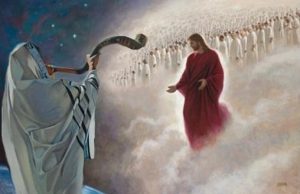
The Feast of Trumpets calls people to live pleasing GOD and to prepare for His eternal Kingdom. It accomplishes this by informing about the final judgement that will take place at the return of Jesus Christ.
Its message brings to memory the first invitation to repentance pronounced in Eden, after Adam and Eve sinned. On the evening of the same day they fell in Satan’s trap, both of them heard the LORD calling, «Where are you? » And Adam answered, «I heard your voice in the garden, and I was afraid because I was naked; and I hid myself» (Gen. 3:8-10).
The LORD helped the first parents of humanity to understand their transgression, by asking «Have you eaten from the tree of which I commanded you that you should not eat?» (Gen. 3:11). In the same manner, even today, by the agency of the Spirit, He calls each person, and lovingly asks «Where are you?».
Lift up your voice like a trumpet
Since ancient times, to invite people to repentance, the LORD ordained to Isaiah: «Cry aloud, spare not; lift up your voice like a trumpet; tell My people their transgression, and the house of Jacob their sins» (Isa. 58:1). Then, through Malachi, He informed: «“I will come near you for judgment; I will be a swift witness against sorcerers, against adulterers, against perjurers, against those who exploit wage earners and widows and orphans, and against those who turn away an alien – because they do not fear Me” says the LORD of host. “For I am the LORD, I do not change; therefore you are not consumed, o sons of Jacob» (Mal. 3:5,6).
Finally, at the first fullness of times, the Father gave life to John the Baptist, who accepted to call GOD’s people to repentance, and to lead them to Christ. So that through Him, they could benefit of the forgiveness of sins and eternal life (Mat 3:3, Marc 1:3, Luke 3:4). In fact, John loudly exhorted: «I am the voice of one crying in the wilderness: Make straight the way of the LORD» (John 1:23; Is. 40:3).
Man shall give account of himself to God
After the prophets, like Jesus, also His disciples assisted by the Holy Spirit, informed humanity about GOD’s judgment. So that people could repent, trust, obey God, and be set free from sin, suffering and death.
Paul pointed to the inevitability of judgment, declaring: «We shall all stand before the judgment seat of Christ… So then each of us shall give account of himself to God» (Rom. 14:10-12; see also 2 Cor. 5:10; Acts 17:31). He also assisted to understand that the evaluation phase of the final judgment precedes the return of Christ. In fact, he explained that Jesus’ Second Coming is the time «of revelation of the righteous judgment of God» upon humanity. Consequently, Jesus, at His return, will render «to each one according to his deeds» (Rom. 2:5).
In that Great Day, Jesus will, first, deliver all believers from the slavery of sin and death. And He will give: «eternal life to those who by patient continuance in doing good seek for glory, honor and immortality». Then, He will condemn to destruction those that reject GOD. And «those who are self-seeking and do not obey the truth, but obey unrighteousness» (Rom. 2:6-8 and ff.).[i]
Saved by obedient faith
«As certain as the Bible is that we are saved by faith and not by works (Rom. 3:28), it’s just as certain that we are judged by our works (Eccl. 3:17; 12:14; 2 Cor. 5:10, 1 Pet. 1:17). Indeed, it’s the realization that we are now living in the time when those works are being judged that Christians should be motivated to greater works, not in order to be saved (that’s impossible) but because their works are a visible demonstration to the world and the universe of the reality of Christ’s salvation in their lives».[ii]
In this evening of humanity, the voice of the Spirit resounds in the conscience of those who sincerely seek God. He is still addressing the invitation of the Father to those who are searching the solution to their “spiritual nakedness”.
Collaborate with GOD’s Spirit
Since the Feast of Weeks, or Pentecost, that followed Christ’s ascension to heaven, the Spirit accomplishes His activity invisibly. The wonderful results of His action and influence are evident by the ever-growing number of people converting to Christ. He also reminds of Jesus’ promise, «Behold, I stand at the door and knock. If anyone hears My voice and opens the door, I will come in to him and dine with him, and he with me» (Rev. 3:20).
In preparation for the last ten days of humanity, let us ask without ceasing to receive the seven Spirits given to Jesus when He was on earth: «the Spirit of the LORD… the Spirit of wisdom and understanding, the Spirit of counsel and might, the Spirit of knowledge and the fear of the LORD» (Isa. 11:1,2). These gifts will enable us to complete our preparation and the preparation of others to welcome our glorious Savior.
GOD promised that He would add His power to our limited physical, mental and spiritual resources. In fact, the project that solves all human problems is executed and will be completed: «“Not by might nor by power, but by My Spirit,” says the LORD of hosts» (Zec. 4:6).
[i] Samuele Bacchiocchi, Part II, The Fall Festivals, p.113.
[ii] Seventh-Day Adventist Church, The Gospel, 1844 and Judgment, Adult Teachers Sabbath School Bible Study Guide, July-Sept. 2006, (Silver Spring, MD: Pacific Press Pub. Asso.), p. 170.
Chapter:
[ seven ]
FEAST OF TABERNACLES
«The fifteen day of this seventh month shall be the Feast of Tabernacles for seven days to the Lord»
(Leviticus 23:34-36)
The Feast of Tabernacles, or Booths (in Hebrew, סֻכּוֹת Sukkot) is the seventh annual festival of GOD. And it is the third and last celebration of the seventh month, closing the cycle of God’s appointed times. It starts on the 15th of Tishri, (end of September – middle of October). The first day and the Eighth Day of this feast are holy annual Sabbaths of rest and worship. Moreover, these two days correspond respectively to the sixth and the seventh annual Sabbath of the feasts’ cycle.
Scripture testifies of it in Leviticus 23:33-43; Numbers 29:12-16; Deuteronomy 16:13-15. It also mentions it in 1 King 8:2, 65-66; Neh. 8; and John 7:2, 10, 37-39. Every seven years, the Feast of Tabernacles inaugurates the Septennial, or Sabbatical year, which is a year of rest. At this time, the priests read GOD’s Law to the people (Deut. 31:10-13). In the Feast of Tabernacles there is a remembrance of Israel dwelling in tents, or booths, in the wilderness, as well as a remembrance of their fathers dwelling in tents in Canaan.

The third and last pilgrimage to Jerusalem
For the Feast of Tabernacles GOD requested the men of Israel to make the last of the three annual pilgrimages to Jerusalem (Deut. 16:16). Noteworthy is the fact that the number seven fills the three pilgrimages. And this number in Scripture represents a full and complete world, and spiritual perfection.
As a matter of fact, the first pilgrimage is for the Feast of Unleavened Bread which lasts 7 days. The second is for the Feast of Weeks which occurs seven weeks (7days x 7) after the Feast of Firstfruits. And the third is for the Feast of Tabernacles which lasts 7 days. And finally culminates in the Eighth Day, or seventh annual Sabbath. All three of these divine appointments were harvest festivals in the land of Israel. The Feast of Unleavened Bread was traditionally the time of the first harvest, the barley harvest. The Feast of Weeks marked the second, the wheat harvest. And the Feast of Tabernacles celebrated the third and final harvest, the fall’s fruits.
The seventh annual Sabbath – the Eighth Day
The Feast of Tabernacle concludes merrily the fall holy days season of the seven month. Indeed, GOD declared, «Celebrate the Festival of Tabernacles for seven days after you have gathered the produce of your threshing floor and your winepress. Be joyful at your festival… For the Lord your God will bless you in all your harvest and in all the work of your hands, and your joy will be complete» (Deut. 16:13-15).
Moreover, the LORD added, “For seven days you shall offer an offering made by fire to the LORD. On the eighth day you shall have a holy convocation, and you shall offer an offering made by fire to the LORD. It is a sacred assembly, and you shall do no customary work on it” (Lev. 23:36). GOD’s worshippers presented a very great number of other sacrifices and voluntary offerings, during this holy week (Num. 29).
Noteworthy is that the Feast of Unleavened Bread (7 days) began after the unique sacrifice of the LORD’s Lamb in the homes, on Passover. And the Feast of Tabernacles (7 days) began after the unique offering of the LORD’s goat in the Most Holy Place of His sanctuary, on the Atonement Day (See Lev. 23:5; 16:15; Dan. 9:27). These facts indicate how the purification of GOD’s people begins and how it will end, once for all.
The feast of the ultimate harvest
The Feast of Tabernacles is the Feast of Harvest (Asif), specifically, of the last gathering of the fruits of the earth. Beside the booth, the most prominent features of this feast are fruits and branches of three plants. GOD commanded, «you shall take on the first day the fruit of splendid trees, branches of palm trees and boughs of leafy trees and willows of the brook, and you shall rejoice before the Lord your God seven days» (Lev. 23:40).
There were at least three reasons for the observance of the Feast of Tabernacles: the first, natural. It celebrated the final gathering of the products of the year. The second is historical. It was a memorial of the days when Israel dwelt in booths in the wilderness.[i] The third reason was supernatural. In fact, the Feast of Tabernacles brought the spiritual experience of GOD’s people to the climax. They were thankful for the great miracles GOD accomplished in their deliverance from slavery. Felt safe for the protection the LORD granted during the pilgrimage in the desert. And rejoiced for gift of a fertile land, the provision of food, the abundant water and uncountable blessings freely received.
A celebration of OD’s salvation
GOD’s objective for the celebration of the Feast of Tabernacles was «to excite and maintain in them (the people of Israel) a spirit of gratitude and obedience, by leading them to consider deeply the greatness of the favors which they received from His most merciful hands».[ii] In particular, they remembered GOD’s provision of water from the rock of Horeb (See Ex. 17: 2-6). In fact, in commemoration of this miracle, the priests carried water from the Pool of Siloam to the altar. And on the last day, the Eighth Day, while making seven circuits around the altar, they shouted, «Save now, I pray, O Lord» (Ps. 118:
Christ promises the water of eternal life
Moreover, in time, during this week-long celebration, GOD’s chosen people prayed for the last rain of the year.[iii] This because the rainy season for the new crop in Israel starts in the period of the Feast of Tabernacles. By the time of Jesus, water had become one of the main feature of the Feast of Tabernacles in Jerusalem. This explains why, on the «great day of the feast», the Eighth Day, Christ offered the water of eternal life. And invited, «If anyone thirsts, let him come to Me and drink. He who believes in Me, as the Scripture has said, out of his heart will flow rivers of living water» (John 7:37-39).
This fact has a typological meaning. Also for «water», indeed, it can be found a perfect parallel in these last days. Today, increasingly severe drought conditions around the world are putting the wellbeing of billions at stake. More than 1 billion people lack access to safe water supplies. While 2,6 billion lack proper sanitation mainly because of insufficient potable water. Furthermore, only 2.5 percent of the earth’s water is fresh. And over 1.5 percent of that water is locked in glaciers that are rapidly melting because of the greenhouse effect warming the atmosphere. Let us therefore pray Jesus to grant us full salvation and «the free gift of the water of life» (Rev. 22:17).
The Tabernacle of GOD will be with men
The pilgrimage of the Feast of Tabernacles is the last. And it reminds how GOD saved and finally led His people to the promised Land, and His holy city, Jerusalem. Ultimately, it points to GOD’s people dwelling in His New Kingdom, New Canaan, and to the last ingathering of GOD’s people in the New Jerusalem. Where all the saints will hear: «Behold the tabernacle of God is with men, and He will dwell with them, and they shall be His people. God Himself will be with them and be their God» (Rev. 21:3).
[i] W. Robertson Nicoll, vol. 2, p. 30.
[ii] A. Clarke, vol. 1, p. 586.
[iii] Statistics on water needs: (http://www.unesco.org/water//facts_figures/basic_needs.shtml). See also: (http://earthobersavation.nasa.gov/library/water/water_2.html). As water resources will diminish for all humanity because of climate changes and water pollution, according to the type, surely, GOD’s people will return to pray also for drinking water.
Chapter:
[ seven ]
The Sabbatical Year
The Feast of Tabernacles lasts seven days. It is also the last and seventh holy appointment of GOD, requiring the third and final pilgrimage of His people to Jerusalem. In addition, every seven years it inaugurates the Sabbatical year, the septennial of rest for the earth. With these attributes, it ultimately points to the Millenium of preparation for GOD’s eternal Kingdom.
Nature of GOD’s Feasts
For a better understanding of the message of GOD’s feasts it is necessary to consider closely their nature once again. As it has been seen, the dates of GOD’s annual appointments are: typical, events and memorial dates.
«1. TYPICAL DATES: these dates are kept in anticipation of divine victories which are planned to occur in a future year, but on the same day of the same month». Only the dates of the Feasts occurring in the seventh month, Trumpets, Atonement and Tabernacles are still only typical dates. In fact, Jesus has not yet fulfilled fully the events they predict, once for all. The warnings of the trumpets have been partial until now. The final atonement of sins, and the final cleansing of the heavenly sanctuary will occur soon. The Feast of the Tabernacles was partially accomplished when Jesus came to live with humanity the first time, because He left and He has not yet come back to live with us physically, visibly and tangibly forever.
«2. EVENT DATES: These are the actual dates on which the Almighty will perform His mightiest deeds in the Plan of Salvation. When these “once in eternity” arrive, they will be highlighted by signs in the sun, moon and stars». Jesus’ Passover, the Week of Unleavened Bread, the Feast of First Fruits, and of Pentecost that followed, were characterized by signs in God’s creation: earthquake, darkness, sounds from heaven and mighty wind (Mat. 27:54; 28:2; Acts 2:2). They are dates of events fulfilled once forever, whose final blessings will be received fully in the seventh and last month of our history.
«3. MEMORIAL DATES: these are dates which will be celebrated throughout eternity by the redeemed as memorials and anniversaries. On these dates, throughout time, we will look back with rejoicing as we remember the great deeds Yahweh and His Son Yeshua performed to secure our salvation».[iii] These will be perennial commemorations (Zec. 14:16).
The last Septennial of our history
 Surely, the Week of Tabernacles points to the last septennial of our history. The reason is that the periods of time referring to the end of Daniel, chapter 8 and 12, are intervals connecting to the last three feasts and to Jesus’ return (Dan. 8:17; 12:9).
«You will see from the examples given below that these time spans begin and end on divinely appointed dates in the sacred calendar, on the Almighty’s annual Sabbaths, His Feast and Fast days…». Here are some examples:
«The 2300 day prophecy of Daniel 8
In certain periods there are exactly 2300 days between the Feasts of Pentecost in one year and the Feast of Trumpets about seven years later. The first and the last days are both included in the count.» 2300 is six years and 30 days.
- Example 1: between May 22, 1988 and September 7, 1994
- Example 2: between June 1, 1998 and September 16, 2004
- Example 3: between May 22, 1999 and September 6, 2005.
«The 1260 day (3 ½ years or 42 months) of Daniel chapters 7 & 12, and Revelation 13
In certain periods there are exactly 1260 days between the Last Day of Unleavened Bread in one Year and the Day of Atonement in 3 ½ years later. The first and the last days are both included in the count».
- Example 4: between March 30, 1997 and September 9, 2000
- Example 5: between April 18, 1998 and September 28, 2001
- Example 6: between April 4, 2002 and September 14, 2005.
«The 1290-day prophecy of Daniel 12
In certain periods there are exactly 1290 days between New Year’s Day –Feast of Trumpets – in the sacred calendar and the Last Great Day of Tabernacles– the Eighth Day – just over 3 ½ years later. The first day is not included in the count».
- Example 7: between March 25, 1993 and October 5, 1996
- Example 8: between March 14, 1994 and September 24,1997
- Example 9: between March 21, 1996 and October 2, 1999.
«The 1335 day prophecy of Daniel 12
In certain periods there are exactly 1335 days between the Feast of Trumpets in one year and the Feast of Pentecost several years later. The first and the last days are both included in the count».
- Example 10: between September 17, 1993 and May 13, 1997
- Example 11: between September 26, 1995 and May 22, 1999
- Example 12: between September 22, 1998 and May 18, 2002.[iv]
The LORD did not fix these time spans between a feast and another by coincidence. The final two difficult periods, the 1290 and 1335 days of Daniel 12:12, will poccur in the last septennial of our history.
Interpretation of the feasts’ prophetic message
It is relevant to know that any interpretation of prophecy is an hypothesis until it is proved correct by the exact fulfilling of the predicted event. Therefore only in the future, the enigma of the last 1290 and 1335 days of Daniel 12:11-12, will be finally resolved.
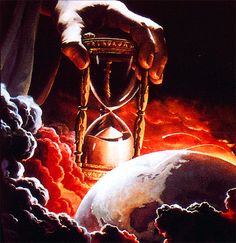 However, the prophetic message of the last three annual feasts surely concerns the end of time. In fact, Michael said, «Many shall be purified, made white, and refined, but the wicked shall do wickedly, and none of the wicked shall understand, but the wise shall understand. And from the time that the daily sacrifice is taken away, and the abomination of desolation is set up, there shall be one thousand two hundred and ninety days. Blessed is he who waits, and comes to the one thousand three hundred and thirty-five days!» (Dan. 12:10-12).
Probably, in the future, on the Last Day of Unleavened Bread (a day of sabbatical rest), Jesus’ activity of daily mediation, forgiveness, and purification on behalf of believers will cease. Then, Satan will take power through his human mediums and partners. And he will show his furious hate on Jesus’ last-days followers on earth. Nevertheless, his evil works will not last longer that 1290 and 1335 days. God is greater and more powerful than all enemies. And He will deliver gloriously His last-days saints at His appointed time. As He mightily saved His first chosen people from all their Egyptians enemies, at the time He predicted to Abraham (See Gen. 15:13-17).
The Ultimate Gathering
 As already stated, «The Feast of Tabernacles … not only pointed back to the wilderness sojourn, but as the feast of harvest, it celebrated the ingathering of the fruits of the earth. And it pointed forward to the great day of final ingathering when the Lord of the harvest shall send forth His reapers to gather the tares together in bundles for the fire, and to gather wheat into His garner».[i]
«What a blessed thought to know that the day is hastening that even now reapers are getting ready to gather the harvest of souls. Soon the Master will descend with all the holy angels, and gather His elect from the four winds, from one end of heaven even to the other. Then with Abraham, Isaac, and Jacob, with all the true and faithful servants of God we shall observe the great Feast of Tabernacles. Oh what a blessed rejoicing that will be»![ii]
Indeed, it is extremely comforting to know that «it shall come to pass that everyone who is left of all the nations which came against Jerusalem shall go up from year to year to worship the King, the Lord of hosts, and to keep the Feast of Tabernacles» (Zec. 14:16).
The celebration in the New Jerusalem
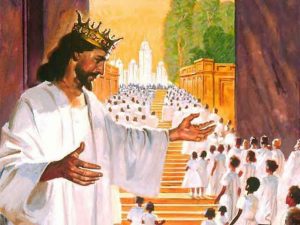 Undoubtedly, the Feast of Tabernacles foretells about the glorious feast the saints will enjoy in the New Jerusalem. John had the privilege to have a foretaste of this celebration. As it happened in the ancient Feast of Tabernacles, he saw «a great multitude which no one could number, of all nations, tribes, peoples, and tongues, standing before the throne and before the Lamb, clothed with white robes, with palm branches in their hands and crying out with a lord voice, saying, “Salvation belongs to our God who sits on the throne, and to the Lamb!”» (Rev. 7:9-10).
The song they are singing reminds a song chanted on the Feast of Tabernacles Psalm 118). Behold, «The voice of rejoicing and salvation is in the tents of the righteous; the right hand of the LORD does valiantly, the right hand of the LORD is exalted… Open to me the gates of righteousness; I will go through them, and I will praise the LORD. This is the gate of the LORD, through which the righteous shall enter… This was the LORD’s doing; it is marvelous in our eyes. This is the day the LORD has made; I will rejoice and be glad in it… You are my God, I will exalt You» (Ps. 118:15, 20-29).
The Sabbath Year of rest for the earth

Beside the year of Jubilee, the LORD set a year of rest and liberty, every seven years. It is the Septennial, the Sabbath Year of rest for the Land. The Hebrew word for “Septennial” is shmita, (Hebrew: שמיטה) which means “release”. It refers to the seventh year of the seven-year agricultural cycle mandated by GOD. Its other names are: Sabbatical Year, “Sabbath of the Land” and shǝvi’it (Hebrew: שביעית), literally, “seventh”. The laws of shmita also include: releasing all debts, ceasing cultivation of the land, and giving up ownership of anything that grows in the fields.
In His legislation GOD established that «the land shall keep a Sabbath to the LORD. Six years you shall sow your field, and six years you shall prune your vineyard, and gather its fruit; but the seventh year there shall be a Sabbath of solemn rest for the land, a Sabbath to the LORD» (Lev. 25:2-4).
GOD made a promise concerning the Sabbatical year corresponding with the 49th followed by the Jubilee Year, the 50th year. He declared, «I will command My blessing on you in the sixth year, and it will bring forth produce enough for three years» (Lev. 25:21). He who has always kept His promises, will keep even this one. He will give rest to His earth. And He will bless abundantly His people in the sixth year of the last «seven Sabbaths of years» (Lev. 25:8).
The Sabbatical year of liberty
 The Septennial is a year of celebration, freedom, grace, joy and satisfaction in the LORD of the Covenant. It is interesting to notice that «Jewish tradition interpreted 2 Chron. 36:21 to mean that the 70 years’ captivity was intended to make up for not observing sabbatical years».[v]
Every seventh year people were not to work the fields (Ex. 23:10-11; Lev. 25:4,5). The land would produce abundant spontaneous fruits and crops for God’s people (Isa. 37:30; Lev. 25:18,19). There would be food even for the foreigners who joined them, and all their animals (Ex. 23:10-11; Lev. 25:6-7). The harvest of the sixth year would be overabundant (Lev. 25:20-22). And the poor would be released of all their debts (Deut. 15:1-4).
The Millennial Kingdom
The Feast of Tabernacles points also beyond this human history. In fact, it prefigures the millennial government of Jesus Christ in the place He prepared in heaven (John 14:2,3). There, all the redeemed «shall be priests of God and of Christ, and shall reign with Him a thousand years» (Rev. 20:6; see also Isa. 66:21, John 14:2,3).
During the week of the Feast of Tabernacles, every Septennial year, people read carefully the book of the law in preparation for the new year (Deut. 31:26).
 In fact, the Lord prescribed, “At the end of every seven years, at the appointed time in the year of release, at the Feast of Tabernacles, when all Israel comes to appear before the Lord your God in the place which He chooses, you shall read this law before all Israel in their hearing. Gather the people together, men and women and little ones, and the stranger who is within your gates, that they may hear and that they may learn to fear the Lord your God and carefully observe all the words of this law, and that their children, who have not known it, may hear and learn to fear the LORD your God as long as you live» (Deut. 31:10-13).
Life in the Millennial Kingdom
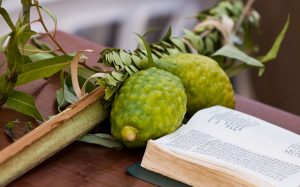 Soon the final Feast of Tabernacles will be fully real. And our heavenly Father and Jesus will inaugurate their New Kingdom with redeemed humanity. During the following millennium, the redeemed will enjoy a new life with Christ. And, among other things, they will study the Law that governs GOD’s universe. So that, when the millennium is over, they will administer His New Earth in the proper manner.
The LORD commanded also to the king of Israel to write for himself a copy of the book of the Law. And he ordered to «read it all the days of his life, that he may learn to fear the LORD his God and be careful to observe all the words of this law and these statutes» (Deut. 17: 19).
King David and Solomon prospered and their people, too, because they delighted in the study of GOD’s Law. Jesus Himself, the «King of kings and Lord of lords» studied it deeply when He lived among humanity (Rev. 19:16). And He knew it so well that at the age of twelve amazed the spiritual leaders of His time (Luke 2:46-47). Furthermore, He considered all GOD’s Law binding. Therefore, He made all efforts to obey even its least statute. It was because of GOD’s instructions that He clearly distinguished good from evil, right from wrong, and never sinned. He pleased our heavenly Father in all things and fulfilling His mission (Mat. 3:17; see Isa. 42:1-4).
Study and teach GOD’s Law
 For the Feast of Tabernacles the LORD still commands all political and religious leaders to study and teach His Law. He orders, «Gather the people together, men and women and little ones, and the stranger who is within your gates, that they may hear and that they may learn to fear the LORD and carefully observe all the words of this law, and that their children, who have not known it, may hear and learn to fear the LORD your God as long as you live» (Deut. 31:12).
Regrettably, most leaders have not studied GOD’s Law to put it into practice. Consequently, all the nations that they led, neglected and transgressed, in a way or another, GOD’s commands. Others picked from GOD’s Law what it seemed fit to their human and limited understanding. Then, they influenced people to believe that GOD’s Law was no longer necessary. Therefore, they promulgated their own legislations, often contrary to GOD’s statutes.
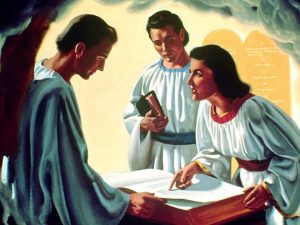 Let us therefore return to believe in GOD’s Law and follow Christ’s example alone in all things. Let us put our trust in the our eternal good and just Father and keep His commands, as Jesus did. So, that since now, «the righteous requirement of the law might be fulfilled in us who do not walk according to the flesh but according to the Spirit» (Rom. 8:4).
Together with Jesus, the redeemed will also evaluate the angels that rebelled against GOD. At this judgment’s revision, in fact, refers Paul when he states: «Do you not know that the saints will judge the world? … Do you not know that we will judge angels?» (1 Cor. 6:2,3).
Events happening after the Millennial Kingdom
The extermination of the wicked
The shekinah glory of Jesus and His voice will have on the wicked the effect of an atomic bomb, of a «consuming fire» (Ex. 24:17; see Isa. 30:27; Heb. 10:27). Scripture states clearly that the «the brightness of His coming» will consume all the wicked (2 Thes. 2:12, 8-12). And they will «not come alive again until the thousand years were finished» (Rev. 20:5).
As on the Atonement Day, people who did not repent perished, «cut off» from GOD’s people (Lev. 23:29). So, all the wicked who «did not believe the truth but had pleasure in unrighteousness», at the end of the Millenium, will be subject to the second death, annihilation.
The destiny of Satan during the Millenium
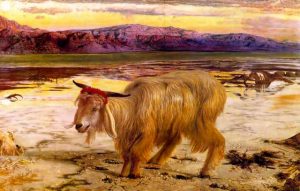 To Satan, on the last Atonement Day, will happen what the ritual of Azazel prefigured. In fact, on this holy Sabbath day, the high priest completed first the purification of GOD’s people and His sanctuary with the blood of the goat chosen by the LORD. Then, all sins were removed and placed «on the head of the live goat» Azazel, representing Satan. And finally, the unclean animal was sent to perish «into the wilderness», in the dwelling of demons (Lev. 16:19-22).
Similarly, Christ, at His return, will eliminate the power of sin by condemning Satan before the entire universe. After a powerful angel of God, will make him powerless. And finally he will confine him «into the bottomless pit, and shut it up, and set a seal on him, so that he should not deceive the nations no more till the thousand years were finished. But after these things he must be released for a little while» (Rev. 20: 1-3).
Notice how good, righteous and patient is our heavenly Father, even in treating His angelic rebellious creatures (Heb. 2:7). He will give a thousand years extra to meditate on the results of their transgression, and to repent.
The second resurrection of the wicked
As surprising as it may seem to some Christians, Jesus declares that there will be a second resurrection. It will concern only the wicked people. Informing His followers, He said: «Do not marvel at this, for the hour is coming in which all who are in the graves will hear His voice and come forth – those who have done good, to the resurrection of life, and those who have done evil, to the resurrection of condemnation» (Rev. 5:25-29). The second resurrection of the wicked people, that one of condemnation, will occur at the end of the thousand years (Rev. 20:5).
In Scripture the “treading of the wine-press” is emblematic of this ultimate divine judgement of condemnation. In fact, Revelation 14:19, describes the last gathering of the wicked this way, «The angel thrust his sickle into the earth and gathered the vine of the earth, and threw it into the great winepress of the wrath of God» (see also Isa. 63:2; Lam. 1:15). It is at this time that the rebellious unrepentant will know the final verdict. Which will predestine them to the second death, meaning, to their elimination from GOD’s universe (Rev. 20:6, 11-14).
Armageddon the greatest battle of all
Christ, in His testimony, adds that «when the thousand years have expired, Satan will be released from his prison and will go out to deceive the nations which are in the four corners of the earth, God and Magog, to gather them together to battle» (Rev. 20:7,8). Gog and Magog represent the nations formed by the unrepentant and rebellious humanity resurrected after the thousand years. Satan and three other demoniac spirits will organize these nations of wicked people for «the battle of that great day of God Almighty» (Rev 16:14).
They will gather them together «to the place called in Hebrew, Armageddon» (Rev. 16:16). This means around the heavenly Jerusalem, the Tabernacle of GOD, that after the thousand years will descend on earth with Jesus and the redeemed (Rev. 21:2, 10).
Armageddon is the crucial battle that the wicked people with the malefic angels will fight against Christ and His saints. At the end of it all the wicked angels and wicked humans will exist o. John saw their annihilation under the seventh bowl which describes God’s wrath (Rev. 16:17). So, He reported that the evil nations, together with the satanic army, «went up on the breath of the earth and surrounded the camp of the saints and the beloved city. And fire came down from God out of heaven and devoured them. The devil, who deceived them was cast into the lake of fire and brimstone» (Rev. 20:9-10; 21:8). This is the complete and definitive «destruction» of Satan, the diabolic devastator, his malefic angels, and his wicked human followers. In other words, it is the extinction of all those who ravaged GOD’s humanity and desolated His earth (Dan. 9:27).
 Until there is time, believe in GOD, study His Law, and faithfully put it into practice. Because «Blessed are those who keep His testimonies, who seek Him with the whole heart» (Ps. 119:2). Indeed, «Blessed are those who keep justice, and he who does righteousness at all times» (Ps. 106:3).
Believe also in GOD’s Son, the Savior, in His testimony, and lovingly follow His example. Avoid provoking His anger so that you may not perish. «Blessed are all those who put their trust in Him» (Ps. 2:12).
[i] Ellen G.White, Patriarchs and Prophets, (Mountain View: Pacific Press Pub. Asso.,
1958), p. 541,542.
[ii] F.C. Gilbert, p. 276.
[iii] Stewarton Bible School, The Sacred Calendar of the God of Israel, p. 63.
[iv] Ibid., p. 60-62.
[v] Holman, Illustrated Bible Dictionary, p. 573.